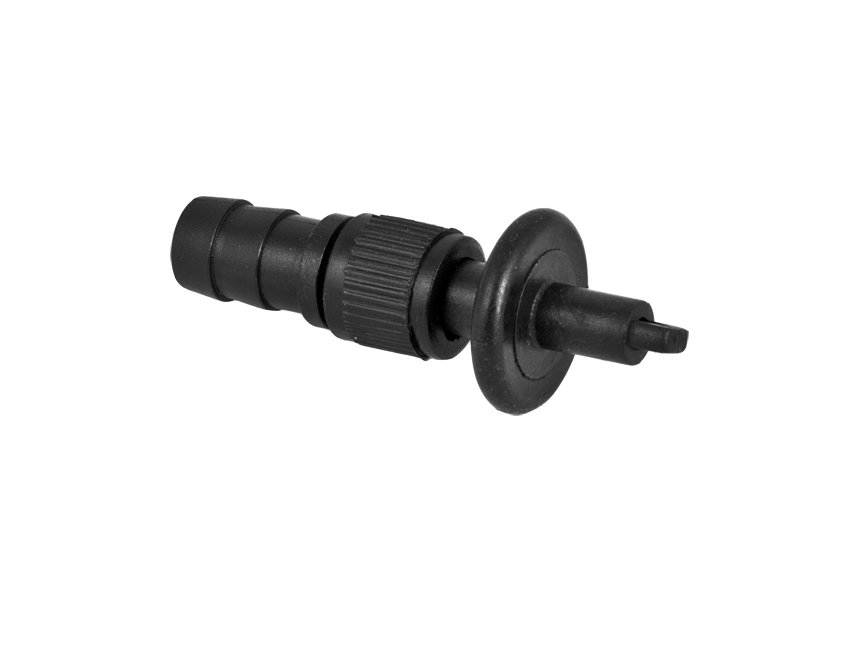
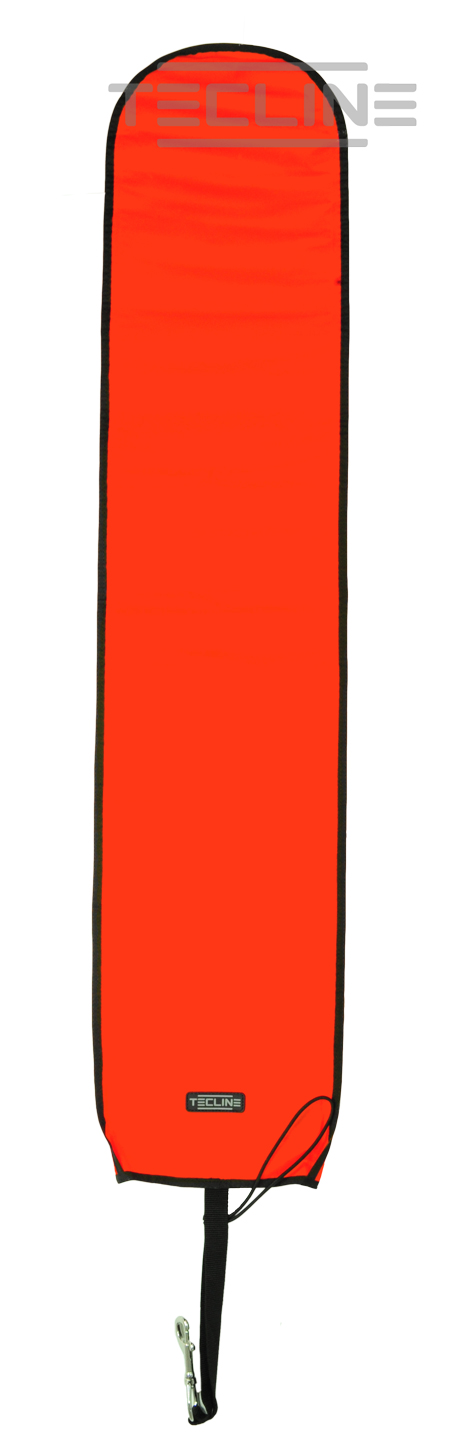
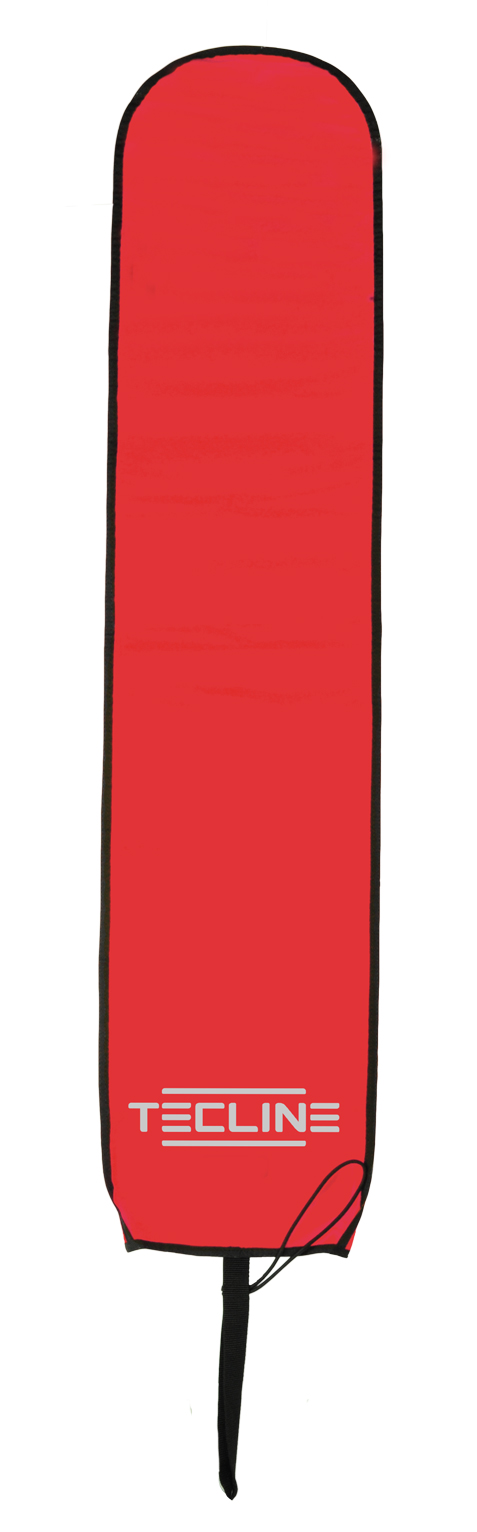
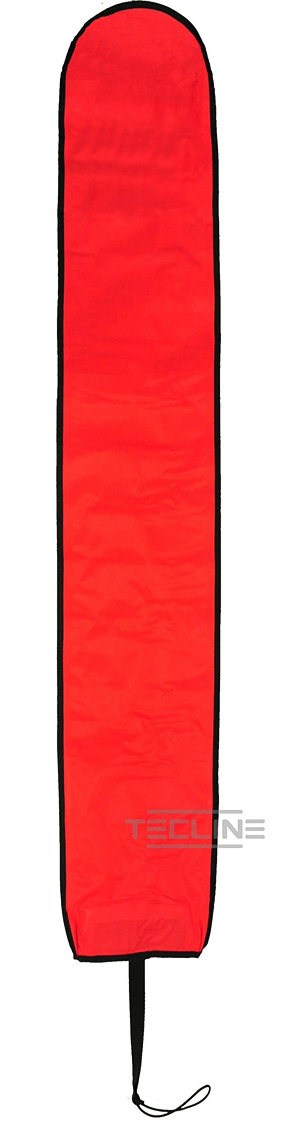
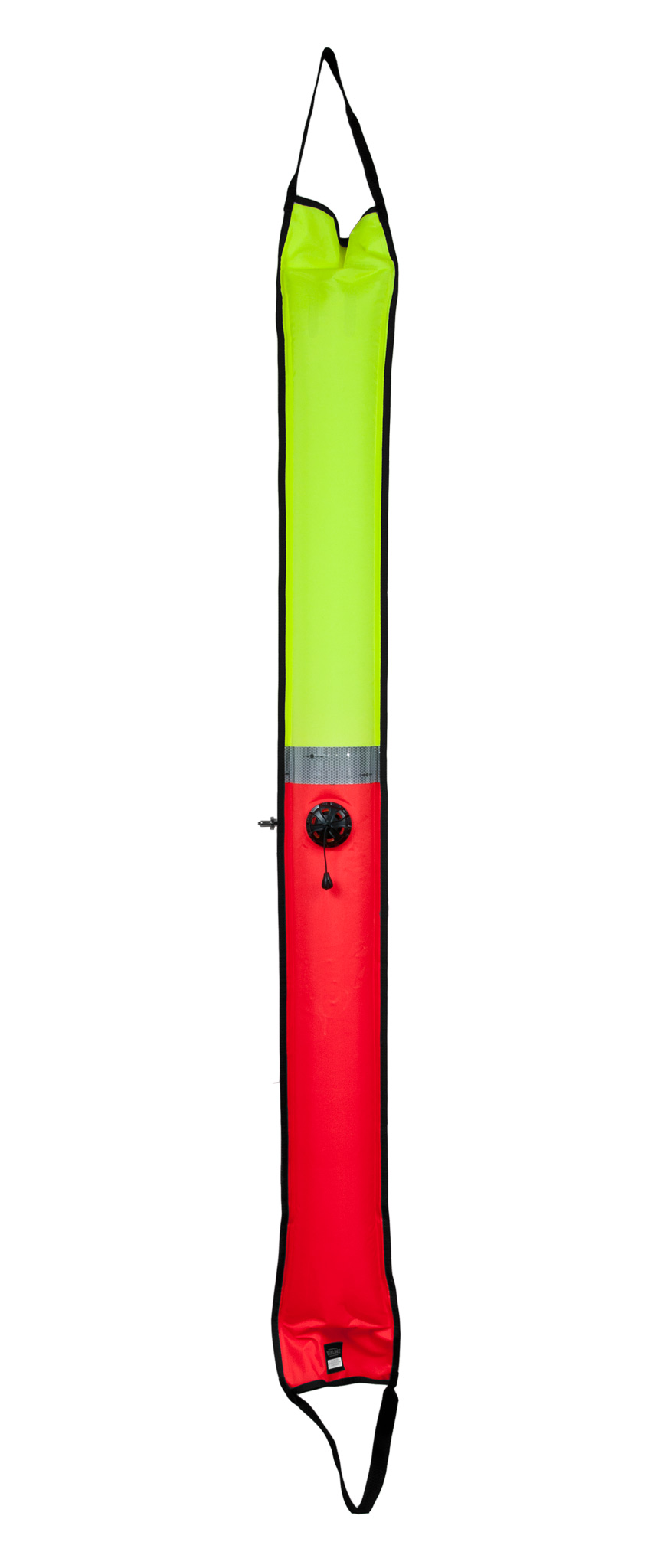
The Plastic Oral Valve for Buoy is a lightweight, reliable inflation component designed for use with a wide range of surface marker buoys, training buoys, and other inflatable dive accessories. Engineered for simplicity, durability, and ease of operation, this valve provides divers with a dependable method of oral inflation, ensuring their buoyancy devices remain functional and ready for deployment in any environment.
This oral valve enables controlled inflation of a buoy by mouth, offering a straightforward and efficient alternative to direct‑feed inflation systems. Its internal one‑way mechanism allows air to enter the buoy while preventing it from escaping, maintaining internal pressure once the buoy is inflated. This ensures that the buoy remains upright and visible at the surface, supporting diver safety during ascent, decompression stops, and surface signalling. The valve also incorporates a manual deflation feature. By pressing the internal stem or flap, divers can release air in a controlled manner, making it easy to adjust buoyancy or fully deflate the buoy for storage after a dive.
This model is manufactured from high‑quality, impact‑resistant plastic, chosen for its balance of durability, corrosion resistance, and low weight.
Plastic construction offers several advantages:
- It resists saltwater corrosion, even with prolonged exposure.
- It remains lightweight, making it ideal for compact SMBs and travel‑friendly gear.
- It provides a smooth, comfortable surface for oral inflation.
The material is moulded with precision to ensure a tight seal and consistent airflow, while the internal components are designed to withstand repeated use without sticking or degrading.
This valve is suitable for:
- Surface marker buoys (SMBs)
- Delayed SMBs (DSMBs)
- Training buoys
- Small lift bags
- General‑purpose inflatable dive accessories
Its lightweight design makes it especially popular for compact or travel‑oriented buoy models where minimal bulk is essential.
The plastic oral valve is valued for its simplicity, reliability, and low‑maintenance construction. Whether replacing a worn component or assembling a new buoy, divers appreciate its ease of use, secure sealing, and compatibility with a wide range of inflatable equipment.